As new Citizens Advice research reveals the scale of summer discomfort in UK homes, Caribbean Managing Director Stuart Dantzic argues that preventing overheating must become an integral part of home improvements.
Home improvements have traditionally focused on keeping homes warm, reducing energy bills and making better use of space. But as UK summers become hotter, we need to give equal consideration to keeping our homes cool. Preventing overheating should be part of the planning process, not a problem to tackle once temperatures rise.
Research published by Citizens Advice in October brings the scale of the problem into focus. Its Research Briefing: Experiences of Overheating and Home Comfort 2026 found that 72 per cent of adults surveyed felt uncomfortably hot in their homes during summer 2026. For seven per cent, indoor heat raised direct concerns about their physical health or safety. The findings make a compelling case for treating overheating prevention as an essential part of improving our homes.
Designing for comfort throughout the year
Much of the UK’s existing housing stock was designed around the need to retain heat during colder months. Insulation and energy efficiency remain vital, but our changing climate means we must think more carefully about how buildings perform in summer, too.
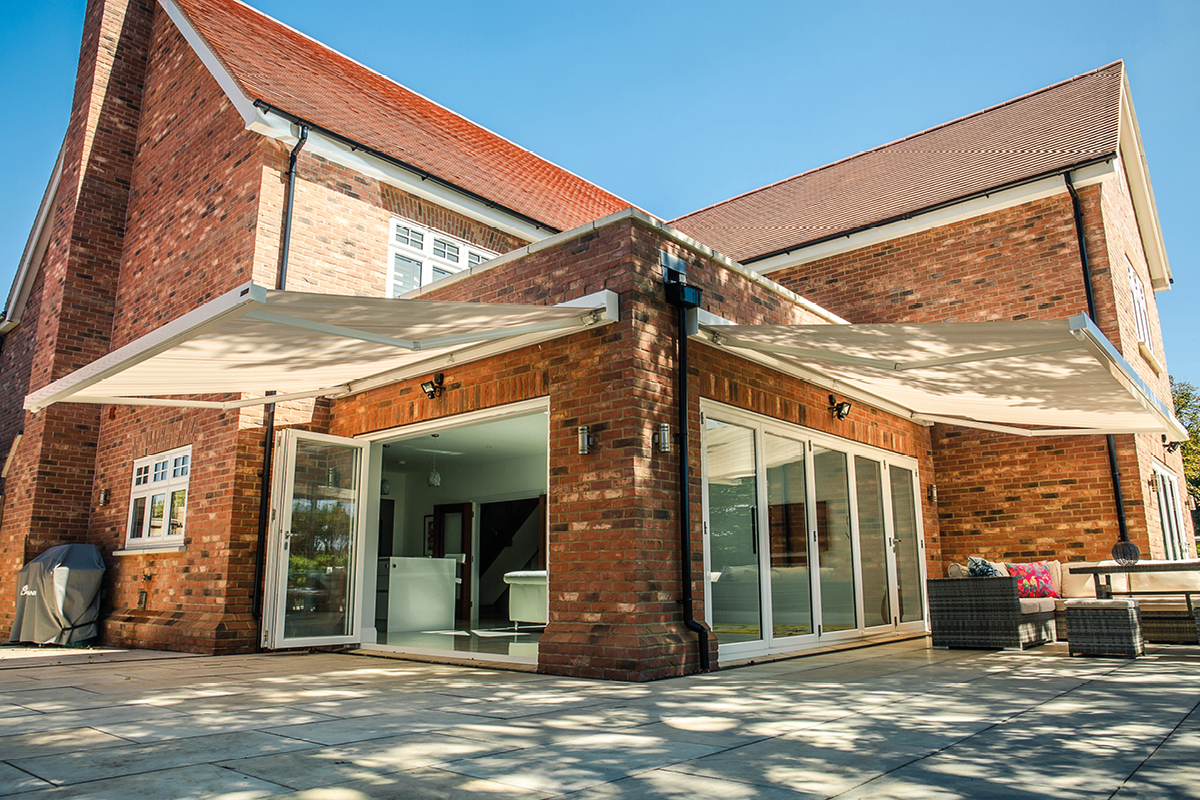
This is particularly important as homeowners invest in extensions, renovations and larger glazed areas. Additional glazing can bring natural light into a room and create a stronger connection with the outdoors, but it can also allow significant amounts of solar heat to enter the property. Without suitable shading, a space that looks impressive in an architect’s plans may become uncomfortably hot during prolonged sunshine.

The Citizens Advice research found that 44 per cent of those surveyed felt they lacked the basic means to prevent their homes from overheating. A third reported changing their behaviour or adopting coping strategies to manage the heat, including makeshift measures such as taping aluminium foil to windows.
These findings highlight the difference between living with excessive heat and having a practical, lasting way to manage it. Home improvements should address that problem before it arises, rather than leaving householders to find their own solutions after the work is complete.
Why external shading belongs in the conversation
One of the most effective ways to manage solar heat gain is to prevent sunlight from reaching the glass in the first place. External shading achieves this by intercepting solar radiation before it enters the building, helping to reduce the amount of heat that accumulates indoors.
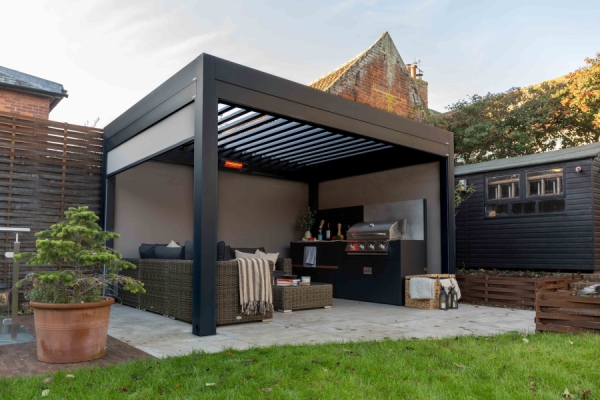
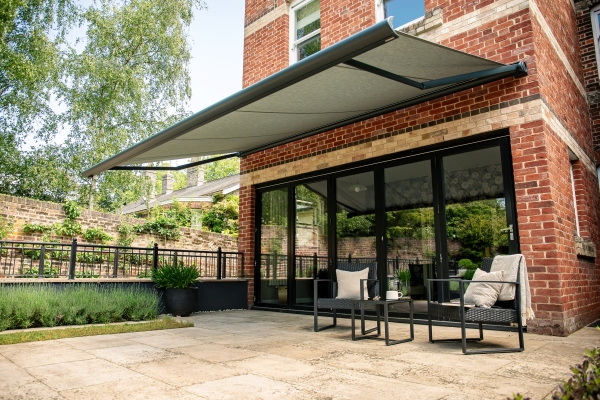
This principle is central to the concept of ‘shade first’. Rather than relying on air conditioning to remove heat once it has entered a room, external blinds and awnings can help keep indoor temperatures more manageable from the outset. They can also reduce glare while allowing homeowners to enjoy daylight and their living spaces.
The approach has relevance to modern homes with large windows, roof glazing or south-facing elevations. The right solution will depend on the building’s orientation, glazing and intended use, which is why shading should be considered alongside other measures at the design stage.
Crucially, Citizens Advice has recommended that the Government incorporate passive cooling measures, including external shading, into its home retrofit offerings. This is an important recognition that preparing homes for the future must mean more than improving their performance in winter.
Making home improvements fit for the future
There is no single answer to overheating. Insulation, appropriate ventilation and effective solar shading all have a role to play, with the right combination depending on the property. However, preventing unwanted heat from entering should be a central consideration wherever improvements could increase exposure to the sun.
At Caribbean, we believe homeowners should be able to enjoy the benefits of their properties throughout the year. Our range of external blinds and awnings offers practical ways to manage solar gain, improve comfort and reduce reliance on energy-intensive cooling.

As the Citizens Advice findings demonstrate, overheating is already affecting how people experience their homes. Incorporating prevention into home improvements gives us an opportunity to respond intelligently to a changing climate, rather than repeatedly adapting to its consequences.
If we want homes that remain comfortable in the years ahead, we need to think beyond keeping the cold out. We must also consider how to keep excessive heat out and make effective shading part of that conversation from the very beginning.
- To find out more about Caribbean’s external shading solutions, contact our team.