
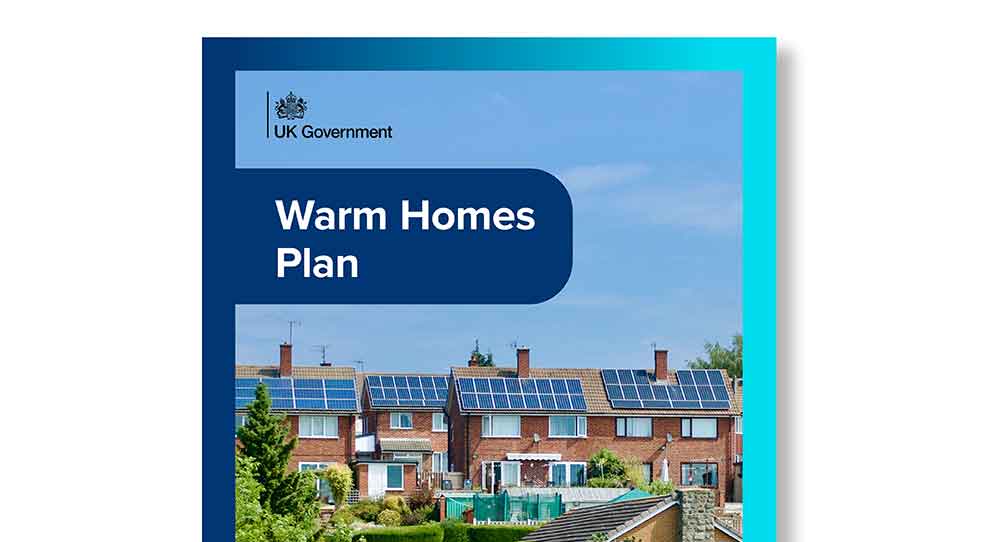
With the launch of the Governments Warm Homes Plan 2026, the spotlight is on how UK homes can become more energy-efficient and comfortable all year round. Stuart Dantzic, our MD, argues that external solar shading must move from the margins to the mainstream of home energy policy.
The plan is welcome – but incomplete
The Warm Homes Plan is an important statement of intent. With £15 billion allocated to tackling fuel poverty, decarbonising homes and reducing energy bills, the initiative is not to be dismissed lightly. Its focus on solar panels, heat pumps and batteries shows a clear commitment to reducing reliance on imported fossil fuels.
Yet the plan reveals a persistent blind spot. While shading is mentioned alongside shutters and reflective films, it remains a footnote. External solar shading is still treated as optional, while high-cost, high-tech solutions dominate funding and policy attention.
Overheating is a growing UK problem
For decades, UK housing policy has prioritised retaining heat. Thick insulation, advanced glazing and powerful heating systems were markers of progress in a colder climate. Today, hotter, longer summers mean this approach is insufficient. Overheating in homes is no longer niche: research cited by the Government shows some flats exceeding 47 degrees during relatively mild heat events. This is a serious health risk for older people, children and anyone with existing conditions, while also placing strain on the NHS.
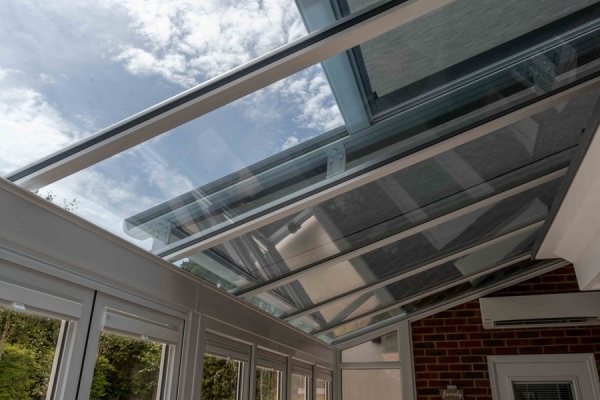
The problem is solar gain. Modern homes with larger windows, sliding doors and rooflights allow sunlight in but trap it once it passes through glass. Insulation that keeps homes warm in winter compounds the problem in summer.
External solar shading works
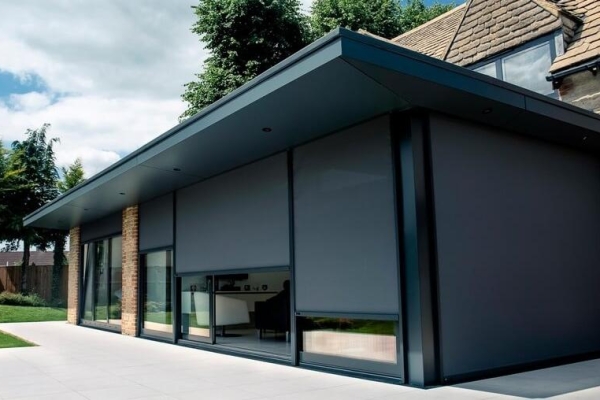
External solar shading tackles overheating at source. By preventing sunlight from reaching glazing, it reduces heat build-up dramatically. Independent studies show reductions in internal temperatures of 10–20 degrees. The Camden monitoring project referenced in the Warm Homes Plan is particularly striking: external shading combined with night-time ventilation eliminated overheating risk entirely. Internal blinds helped but external solutions were far more effective.
Caribbean Blinds’ white paper confirms this. Many homeowners still see overheating as unavoidable or plan to rely on air conditioning. Yet when the benefits of external shading are clearly explained, uptake rises sharply. People want solutions that are visible, practical and effective immediately.
Shading should be central to home energy policy
Heat pumps and solar panels remain essential. But they are part of a hierarchy: the first step should be reducing demand. It is far cheaper and simpler to stop heat entering a home than to remove it once inside.
If the Warm Homes Plan 2026 is to meet its objectives, external solar shading must be properly funded, clearly guided, and recognised as a standard element of modern UK homes. A warm home should be a basic guarantee, as should a cool one.
External solar shading is a simple, proven and immediately deployable solution. Treating it as optional is a mistake we can no longer afford to make.
Download the Caribbean Blinds White Paper by clicking here.
Read the Caribbean Blinds Guide to Solar Shading by clicking here.