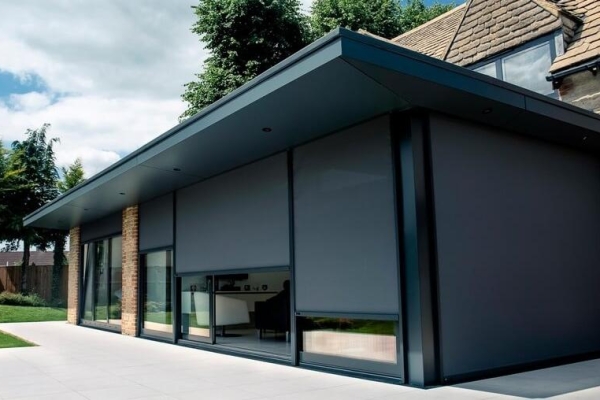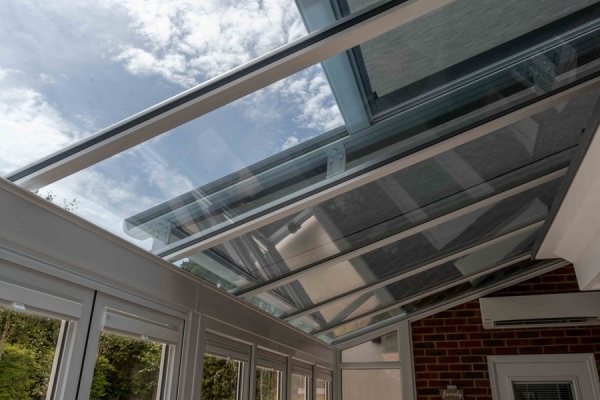

Today marks Global Shading Day, an international moment to shine a light on one of the most overlooked yet impactful elements in building design.
For too long, shading has sat quietly in the background. But as overheating, energy efficiency and occupant comfort climb higher up the agenda, its role is becoming impossible to ignore.
Put simply: shading isn’t a “nice to have” anymore, it’s essential.
The Power of Shading: At a Glance
☀️ Regulates Solar Heat Gain
Shading stops unwanted solar radiation before it enters the building, preventing overheating and stabilising internal temperatures.
💡 Controls Natural Light
It filters daylight to create softer, more balanced illumination — reducing harsh contrasts and improving internal environments.
😎 Eliminates Glare
From peak summer sun to low winter glare, shading improves visual comfort — especially in workspaces and living areas.
🌿 Maintains Views Out
Unlike many internal solutions, external shading preserves a clear connection to the outside without compromising performance.
🔒 Enhances Privacy
It creates an effective visual barrier, offering privacy without sacrificing light.
🛡️ Blocks Harmful UV Rays
High-performance shading systems can stop 95%+ of UV radiation — protecting interiors, furnishings and occupants.
❄️ Improves Thermal Performance
Shading doesn’t just keep heat out in summer — it also helps retain warmth in winter, supporting year-round efficiency.
🏢 Elevates Building Design
Beyond performance, shading enhances façades — adding depth, texture and architectural interest.
The Bigger Impact
⚡ Lower Energy Demand
By reducing reliance on air conditioning and mechanical cooling, shading plays a critical role in cutting building energy use.
💰 Reduced Running Costs
Less energy consumption means lower bills — and greater resilience against rising energy prices.
🌍 Reduced Carbon Emissions
With buildings responsible for a significant share of global emissions, shading offers a simple, scalable way to make a real difference.
From patio awnings to louvred pergolas and external blinds, Caribbean’s range puts these principles into practice across every part of the home.
A Smarter Way Forward
As buildings face increasing pressure to perform, from regulations to rising temperatures, shading is moving from the margins to the mainstream.
It’s a solution that improves comfort, reduces energy, enhances design and supports sustainability, all at once.
For a deeper dive into the data, insights and real-world impact of shading, download our whitepaper and explore why it’s becoming a critical component of future-ready buildings. Alternatively read our guide to solar shading on our website.
Shading Is No Longer Optional: It’s Essential – Shading Makes A Difference