
It’s been a hot Summer and with all this heat comes the popular questions we get asked regarding overheating (and how to prevent it). Listed below are the top 5 questions answered to help keep you cool during the heatwaves.
- My house / room is too hot, what cooling effect will blinds and shutters have?
Research by the British Blind and Shutter Association (BBSA) indicates that exterior shading can significantly reduce internal temperatures. Their latest ‘real life’ case study showed interior room temperatures could be reduced with external blinds by 10 – 18 degrees, whilst interior solutions can reduce them by 8 – 13 degrees. These results will vary depending on the building, type of shading etc. Ventilation is an important factor in this too.
Every degree matters, which is why it is important to keep your home protected during high temperatures to prevent overheating and discomfort.
- Will blinds ensure my house is cool when I get home from work on a hot day?
Yes, providing you ensure your blinds are extended before you leave for work as shading devices do not lower internal room temperatures, they stop them from rising.
Additionally the style and type of shading, in particular the fabric selected, plays a key role in how well it prevents unwanted solar heat gain. When returning from work, it is important to ventilate the property by opening windows and doors, to allow any warm air build up inside the property to flush out.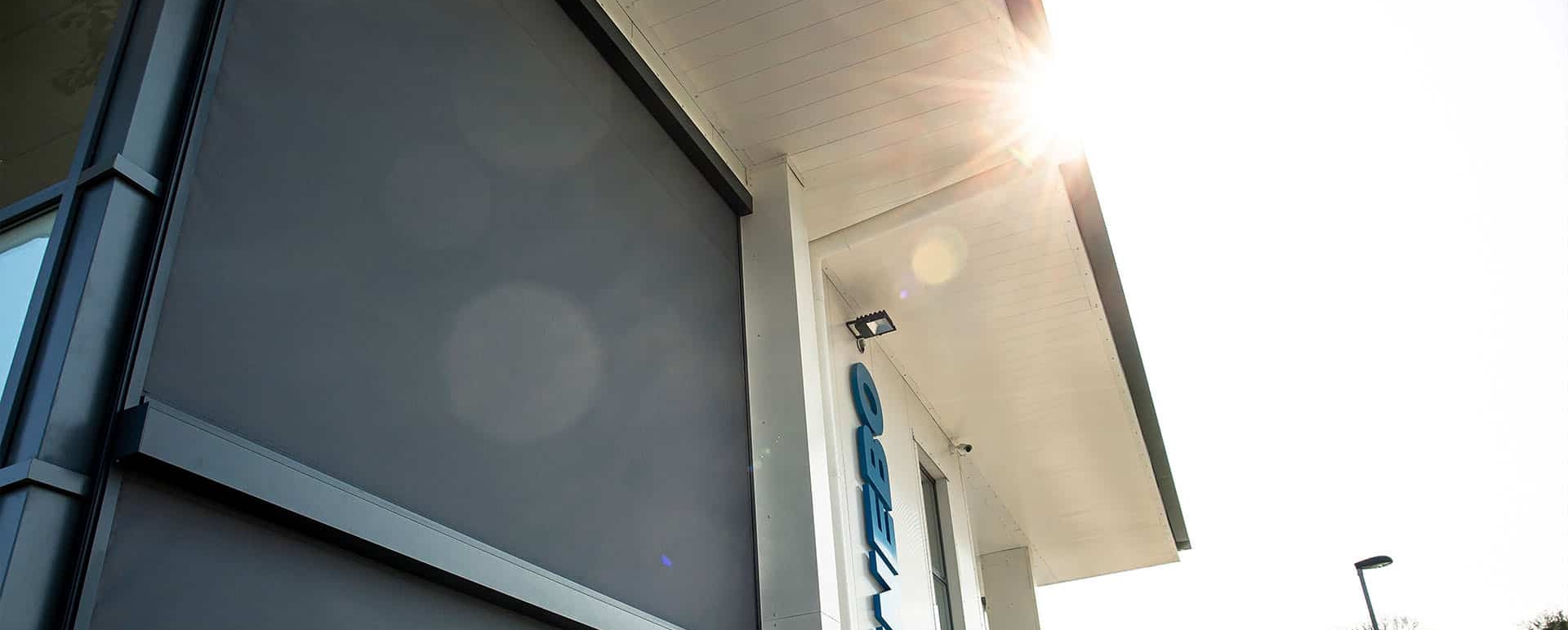
- How do blinds help prevent heat gain?
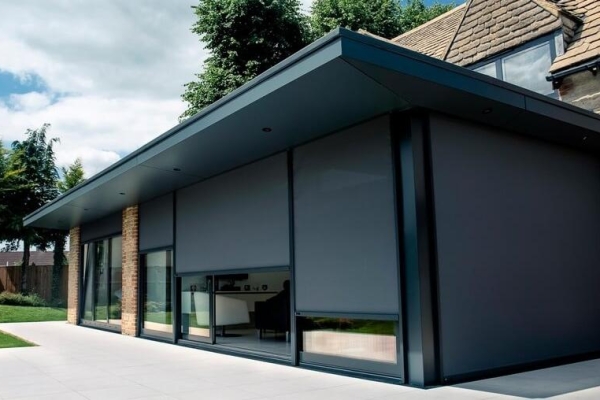
External shading solutions act as a first line of defence, creating a barrier outside the glass, absorbing and deflecting the majority of the sun’s energy, preventing shortwave radiation from ever entering the building in the first place.
Interior shading solutions, particularly those designed with solar coatings/finishes to the back of the material, will reflect some of the sun’s energy away from the internal space to help with minimising heat gain.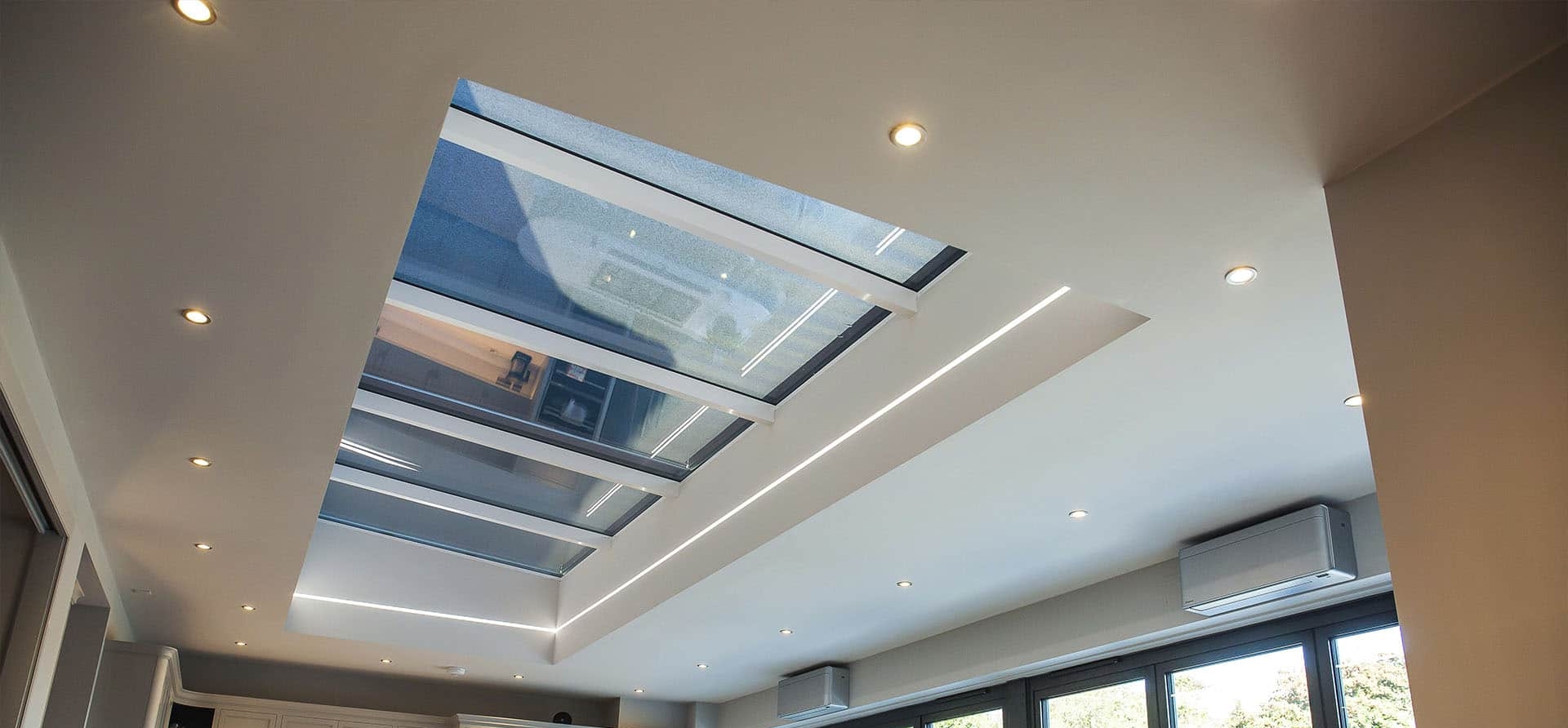
- What is the best form of shading for heat reduction?
External shading is the most effective solution to combat overheating, as they act as defensive layer outside of the glazing, preventing the sun’s rays from entering the building which ultimately keeps the living/working space cooler. If you take a look at hotter climate countries, you will see that external shading forms a strong part of the buildings design. In fact virtually every building in Europe has some form of external blind or shutter attached to the façade.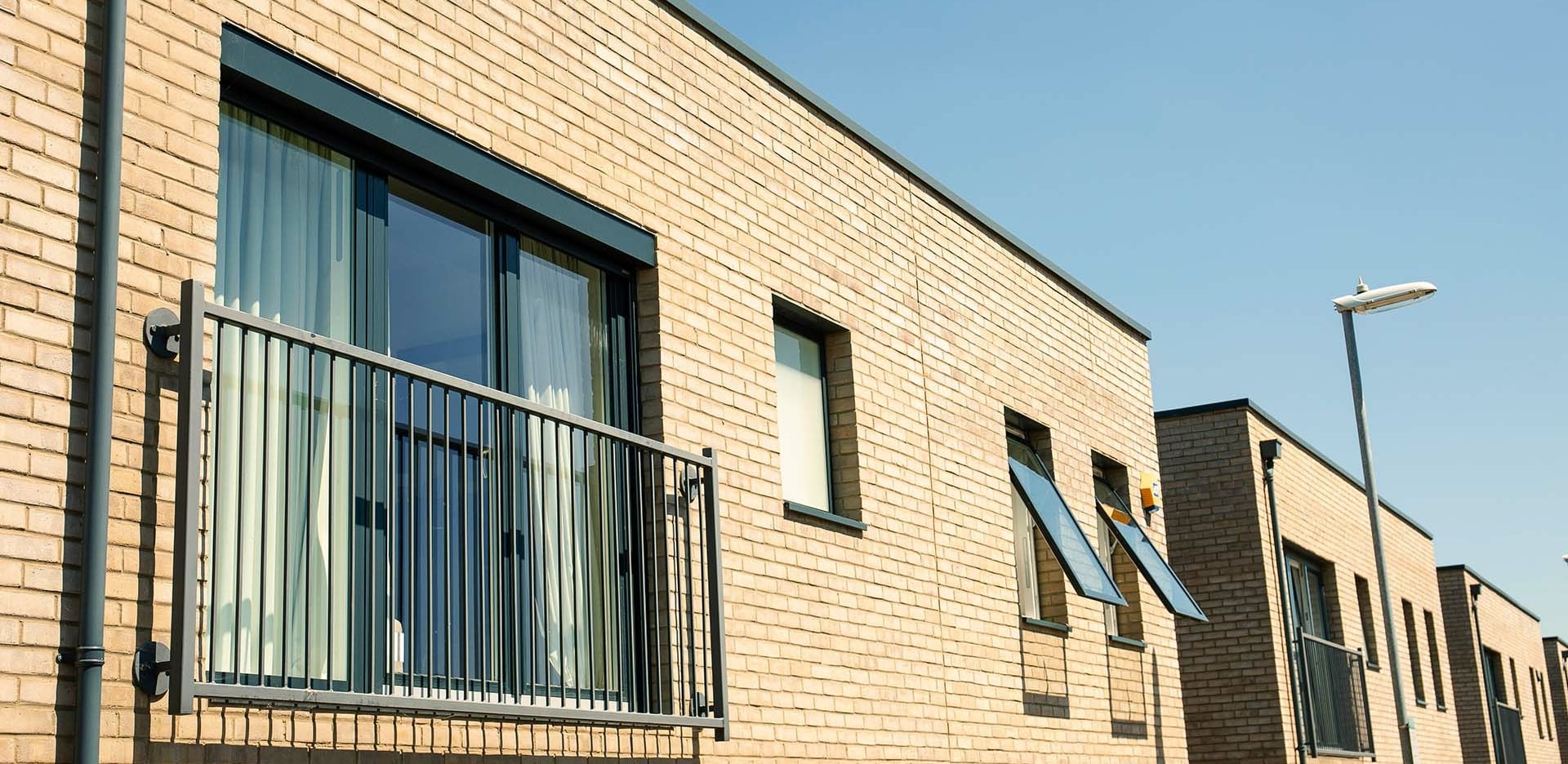
- I have low-e glass will this keep me cool?
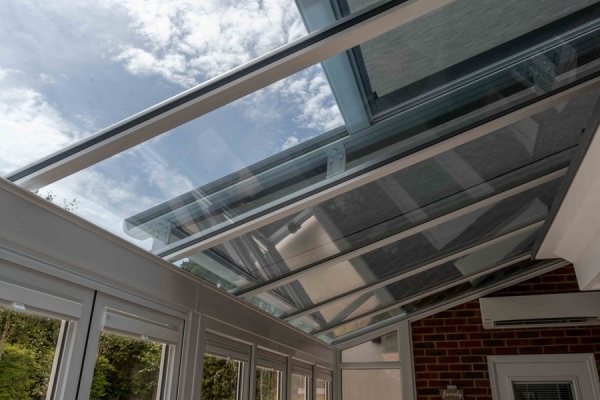
Unfortunately this is not the case, as low-e glass has been specifically designed to keep heat in during the winter months, which has the same effect during the summer months, trapping heat and causing overheating. Even the highest performance solar control glass won’t keep excessive solar radiation out as the sun has already reached the glass.
If you have any more burning questions, please let us know. We have experts on hand to offer advice on the different types of shading solutions and the best solutions to prevent overheating for a healthier, cooler and more comfortable living/working space. Stay safe! Contact us on 0344 800 1947 or send an email to info@cbsolarshading.co.uk where one of our team will respond!