
Our MD Stuart Dantzic reflects on the findings of Westminster City Council’s Weather-Ready Homes Report and explains why external solar shading should be central to the UK’s response to rising temperatures:
The Weather-Ready Homes Report published recently by Westminster City Council is a timely reminder that overheating is no longer a future concern for UK homes. It is happening now, affecting people in houses, flats and workplaces across the country in ways that are becoming increasingly difficult to ignore.
What I particularly welcome about the report is that it does not treat overheating as a simple comfort issue. Instead, it recognises it as part of a much bigger challenge: creating homes that are safer, healthier and more resilient in a changing climate.
Stop the heat before it gets inside
One of the report’s most important conclusions is also one of its simplest. If we want buildings to stay cooler, we need to stop heat entering in the first place. That means tackling solar gain at the window rather than trying to deal with the consequences afterwards.
Too often, the response to overheating comes after the damage is done. Curtains are drawn, fans are switched on and air conditioning is installed. While these measures may provide relief, they consume energy, increase running costs and fail to address the root cause of the problem.
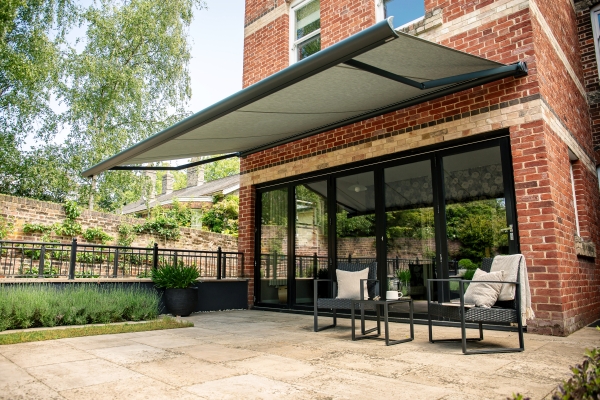
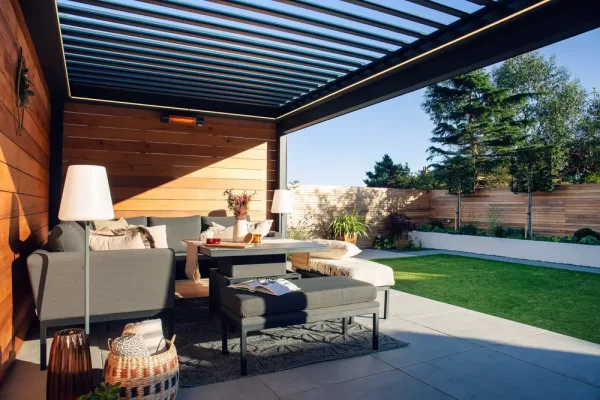
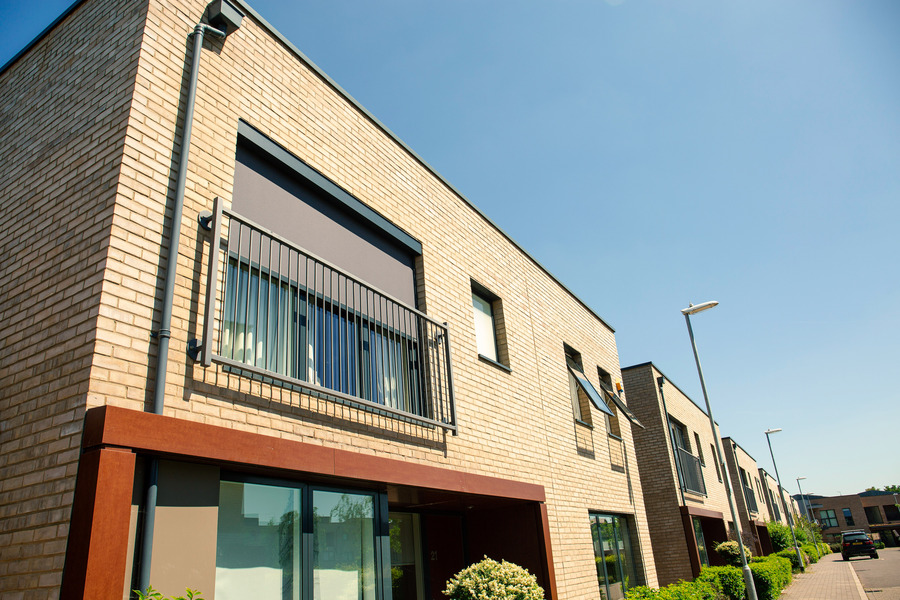
External shading takes a different approach. By stopping sunlight from reaching the glass, external blinds can prevent a significant proportion of solar heat from entering a building. It is a practical, low-energy and low-carbon solution that works quietly in the background without requiring constant intervention from occupants.
In many ways, that is the hallmark of good building design. The best solutions are often the ones people barely notice.
A practical retrofit solution
The report is also refreshingly realistic in its approach to retrofit. It acknowledges that different types of homes face different challenges and that heritage buildings require particularly careful consideration.
In our experience, external shading should not be viewed as an afterthought or a compromise. More often than not, it is the right solution precisely because it is discreet, effective and adaptable. When properly integrated, it works alongside glazing, ventilation and fabric improvements as part of a coordinated strategy for managing heat.
Rediscovering an old idea
Of course, external blinds and awnings are not new inventions. They were once a common feature of British streets, particularly on shopfronts during the nineteenth and early twentieth centuries. Long before air conditioning became commonplace, people understood the value of keeping the sun off the building rather than trying to cool the space afterwards. In many respects, we are rediscovering principles that previous generations already understood.
At Caribbean, we published our own White Paper on overheating because we felt the national conversation was overlooking one important fact: external shading remains one of the most effective ways to reduce unwanted heat gain.
The exceptionally hot summer of 2025 reinforced that view. Public concern about overheating continues to grow, yet many homeowners are still unaware of how much of the problem begins with unprotected glazing. That awareness gap matters because it leads people towards energy-intensive solutions when simpler alternatives may already exist.
If the Weather-Ready Homes Report helps change that thinking, it will have made a valuable contribution. Its message is ultimately one of preparedness. Building resilience is not about reacting to heat once it arrives. It is about making better design decisions before temperatures rise.
Designing for a warmer future
External solar shading has an important role to play in that approach. It is durable, economical to operate and considerably more environmentally responsible than increasing reliance on mechanical cooling.
As UK summers continue to get hotter, we need to be realistic about the tools available to us. External shading is not a luxury feature and it is no longer a niche consideration. It is a straightforward, proven way to help buildings remain cooler, more comfortable and better prepared for the future.