

On June 21, the UK reaches the summer solstice, the longest day of the year. For many, it marks the true arrival of summer, bringing brighter evenings, more time outdoors and an opportunity to make the most of our homes and gardens.
The longest day also shines a light on a growing challenge. As UK summers become hotter and heatwaves more frequent, managing solar heat is becoming an important part of how we create homes and buildings that are energy efficient, resilient and fit for the future.
Why Britain’s longest day matters more than ever
For decades, British buildings have been designed primarily to retain heat. That made sense in a cooler climate, but conditions have changed. Larger areas of glazing, open-plan living and rising summer temperatures mean many properties now struggle with overheating during periods of prolonged sunshine.
The traditional response has often been to switch on air conditioning or mechanical cooling. While these systems have a role to play, particularly in certain commercial environments, they come with an energy cost. Research from the International Energy Agency suggests the number of air conditioning units across Europe could reach 275 million by 2050, increasing electricity demand and adding further pressure to already struggling energy networks.
At a time when businesses and homeowners are looking for ways to reduce energy consumption and lower carbon emissions, there is growing recognition that cooling buildings more efficiently starts by preventing heat from entering in the first place.
Why shade must come before cooling
This principle, often described as “shade first”, has been used for centuries in warmer climates. Today, advances in materials, automation and product design have made modern solar shading more effective than ever. By stopping sunlight before it reaches the glass, external shading can dramatically reduce solar heat gain, helping buildings stay cooler naturally while reducing reliance on active cooling.
Studies have shown that external shading can prevent up to 97 per cent of solar heat from entering a building. During periods of extreme weather, automated systems have been found to reduce indoor temperatures by more than ten degrees, creating more comfortable living and working environments while lowering energy consumption.
The benefits extend beyond temperature control. Effective solar shading reduces glare, protects interiors from UV damage and can even contribute to better sleep by helping bedrooms remain cooler during warm summer evenings. It is a simple idea, but one that is becoming increasingly important as the UK adapts to a changing climate.
Smarter shading for homes and businesses
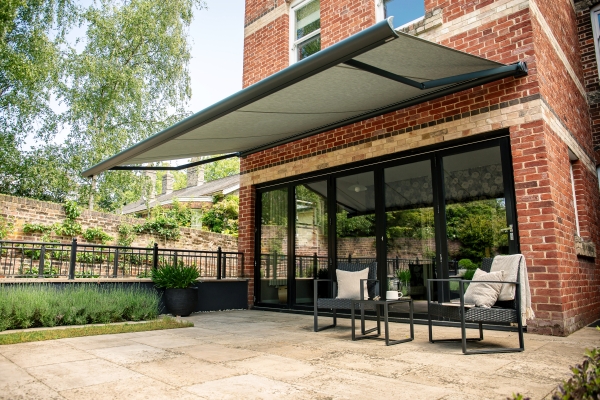
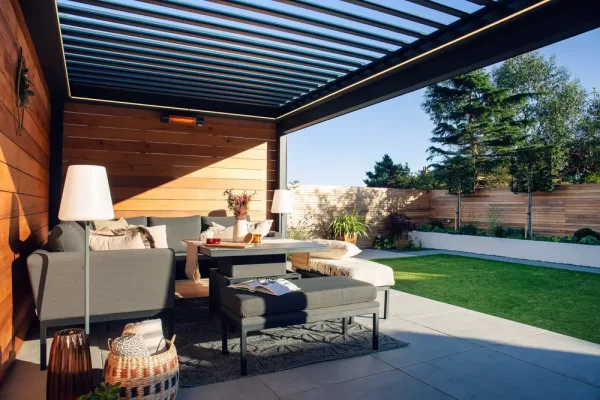
For homeowners, this can transform the way a property performs throughout the summer months. Awnings provide welcome shade over patios and terraces while helping to keep adjoining rooms cooler. External blinds offer precise control over heat, glare and daylight, allowing the space behind large glazed areas to remain comfortable even during the hottest parts of the day. The result is a home that feels brighter and more enjoyable without becoming uncomfortably warm.
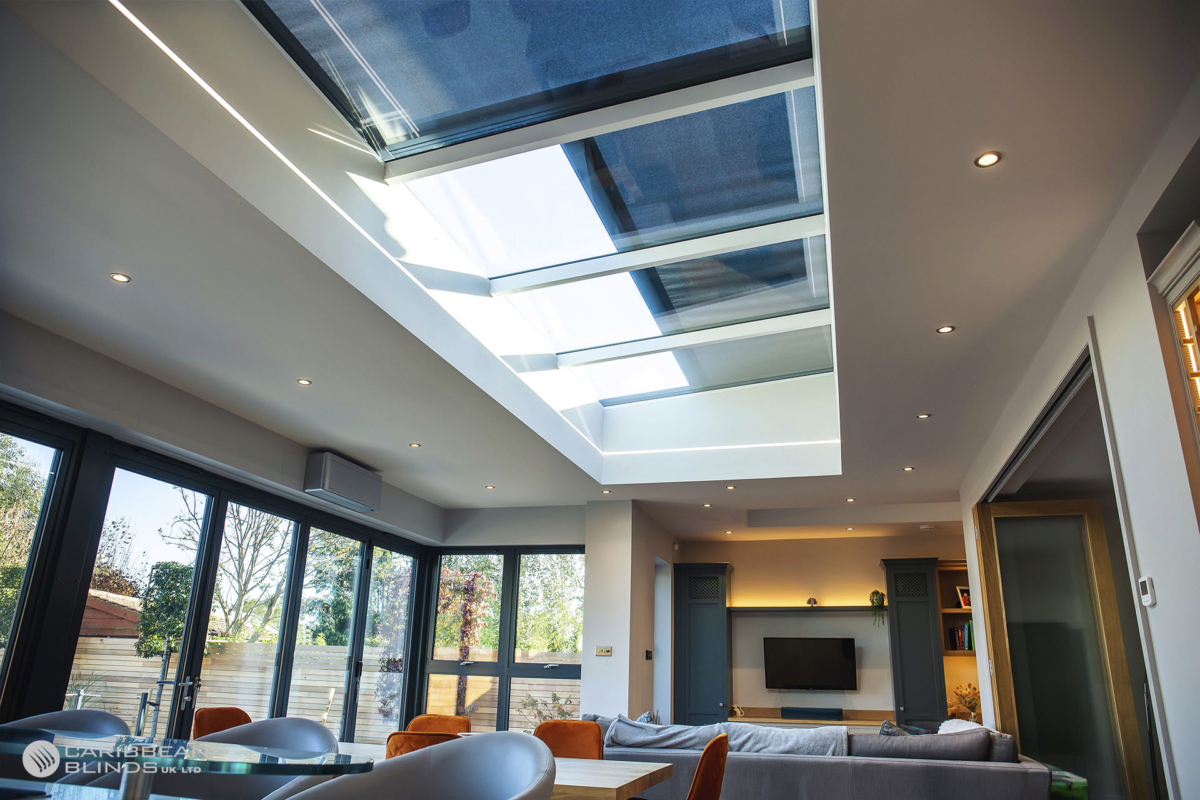
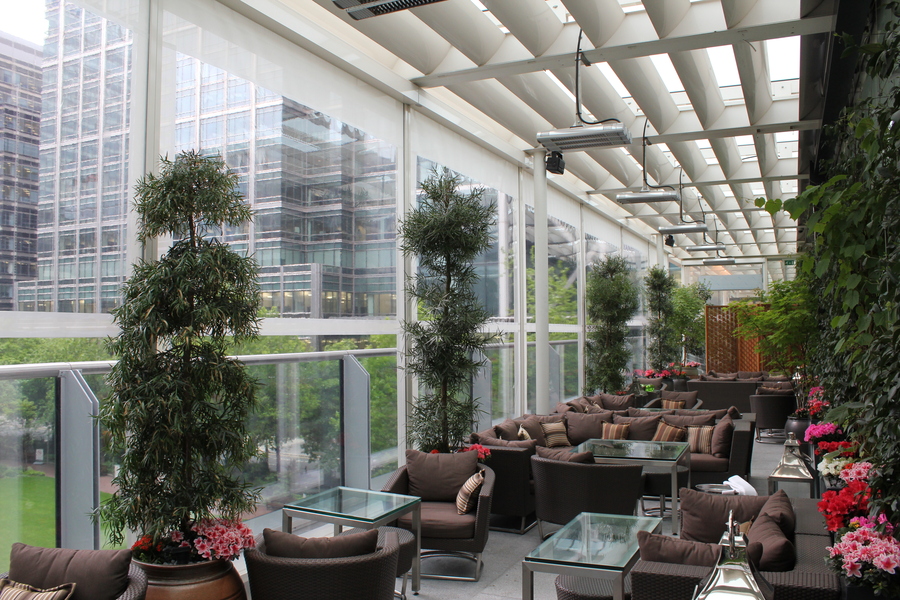
The same principles apply to commercial buildings, where overheating can affect productivity, wellbeing and running costs. Effective solar shading helps create more comfortable and productive environments for staff, customers and visitors while supporting wider sustainability goals.
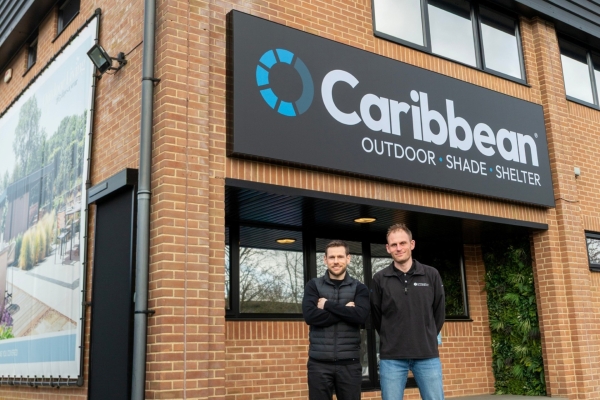
At Caribbean, these benefits sit at the heart of the company’s approach. From retractable awnings to external blinds, every solution is designed to manage solar gain intelligently and reduce the need for energy-intensive cooling. Manufactured in the UK and tailored to each project, Caribbean’s products help create buildings that are better prepared for the realities of a changing climate.
The summer solstice may only last a day, but the issues it highlights will remain long after 21 June has passed. As temperatures continue to rise, investing in effective solar shading is becoming one of the simplest and most practical ways to improve comfort, reduce energy use and futureproof homes and buildings for the years ahead.
- To discover more about Caribbean’s range of shading options, contact us here.