
The Climate Change Committee’s (CCC) latest report, A Well-Adapted UK, should finally put to bed the outdated idea that overheating is only a matter of comfort. Today, it is a national resilience issue, a public health issue and an energy issue all rolled into one.
For years, the UK’s built environment has been designed around retaining heat, which made sense in cooler periods. But as the report clearly states, the climate we are living in today is not the one our homes, schools, hospitals and workplaces were originally built for. Hotter summers, more frequent heatwaves and prolonged periods of extreme temperatures are becoming the rule, not the exception.
Stop heat getting in – the case for passive cooling first
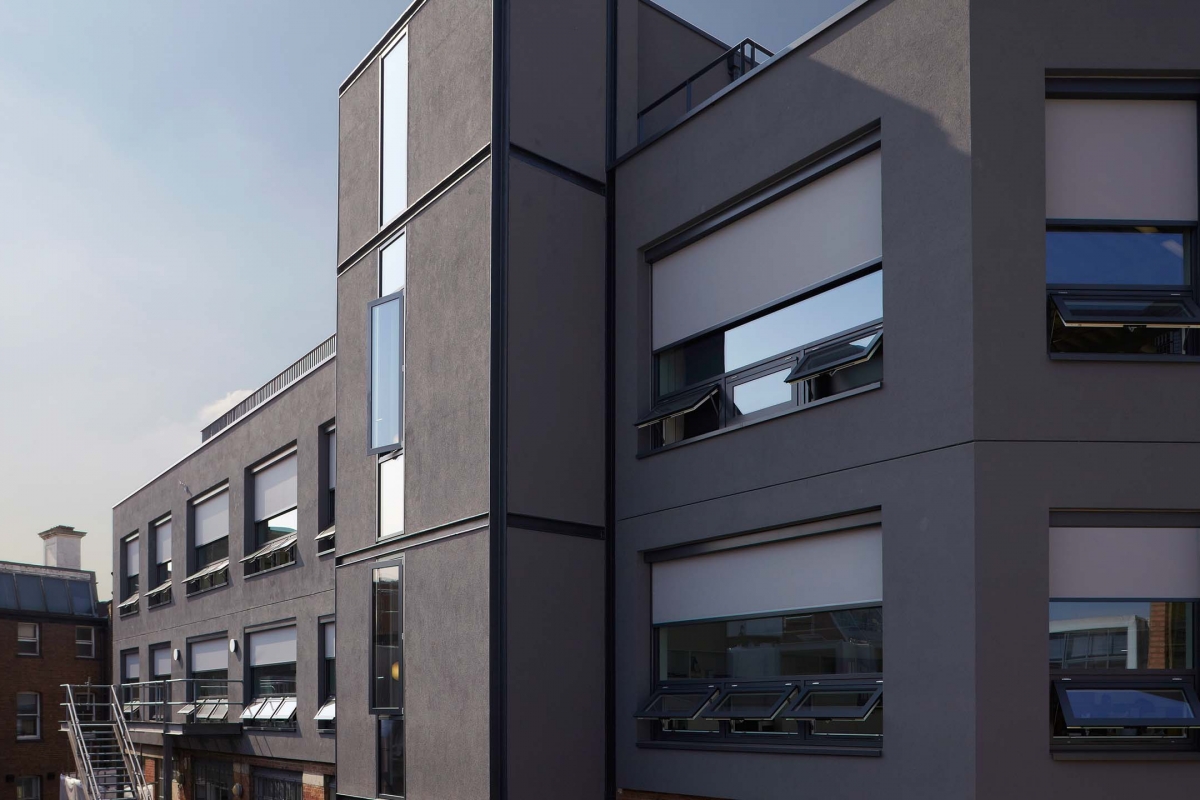
As temperatures continue to rise, reducing heat gain before it enters buildings must become a fundamental principle of building design. Just as we would not heat a home in winter without insulation, we should not cool one in summer without shading.
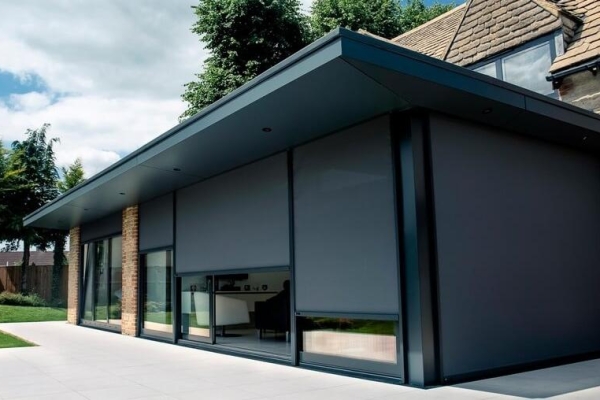
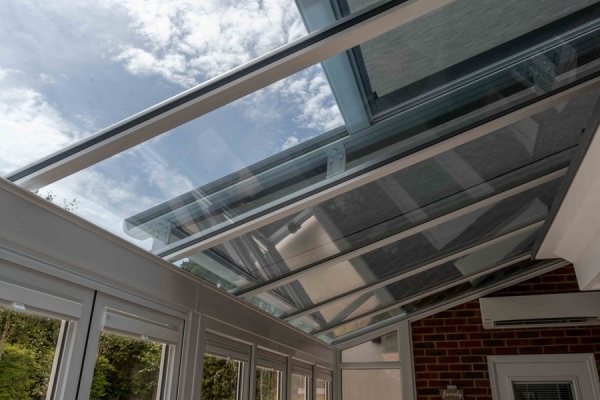
The CCC’s findings reflect this reality and, importantly, acknowledge something our sector has long understood: the smartest and most effective way to cool buildings is to stop heat getting inside in the first place. External shading is vital for overheating adaptation and must now become a standard part of climate-resilient building design. The report’s support for passive cooling measures should therefore be strongly welcomed.
The impact of external shading in healthcare settings
One of the most striking conclusions is that external shading in hospitals can reduce temperatures by up to 4°C on peak heat days. That is not a marginal improvement; in healthcare settings, where vulnerable patients are already at risk from extreme heat, those reductions can have very real consequences for wellbeing and safety.
There is much talk of air conditioning being the answer to climate change and undoubtedly it has a role in certain environments, such as hospitals, care settings and other high-risk buildings. But cooling buildings mechanically without first addressing solar gain is fundamentally the wrong approach and it cannot become the default answer to every overheating challenge.
Why relying on air conditioning alone creates a dangerous cycle
Passive cooling should be prioritised in all buildings, with active cooling introduced only during prolonged or intense heatwaves. This reflects the cooling hierarchy adopted within the London Plan and increasingly referenced by local authorities and industry guidance.
Why? Because if we rely solely on mechanical cooling, we risk creating a cycle where rising temperatures drive higher energy demand, increased emissions and greater pressure on the grid. External shading must always come first because it lowers indoor temperatures before heat enters the building, significantly reducing any later requirement for mechanical cooling. That is a far more sustainable, cost-effective and resilient route.
External shading can reduce temperatures by up to 18°c
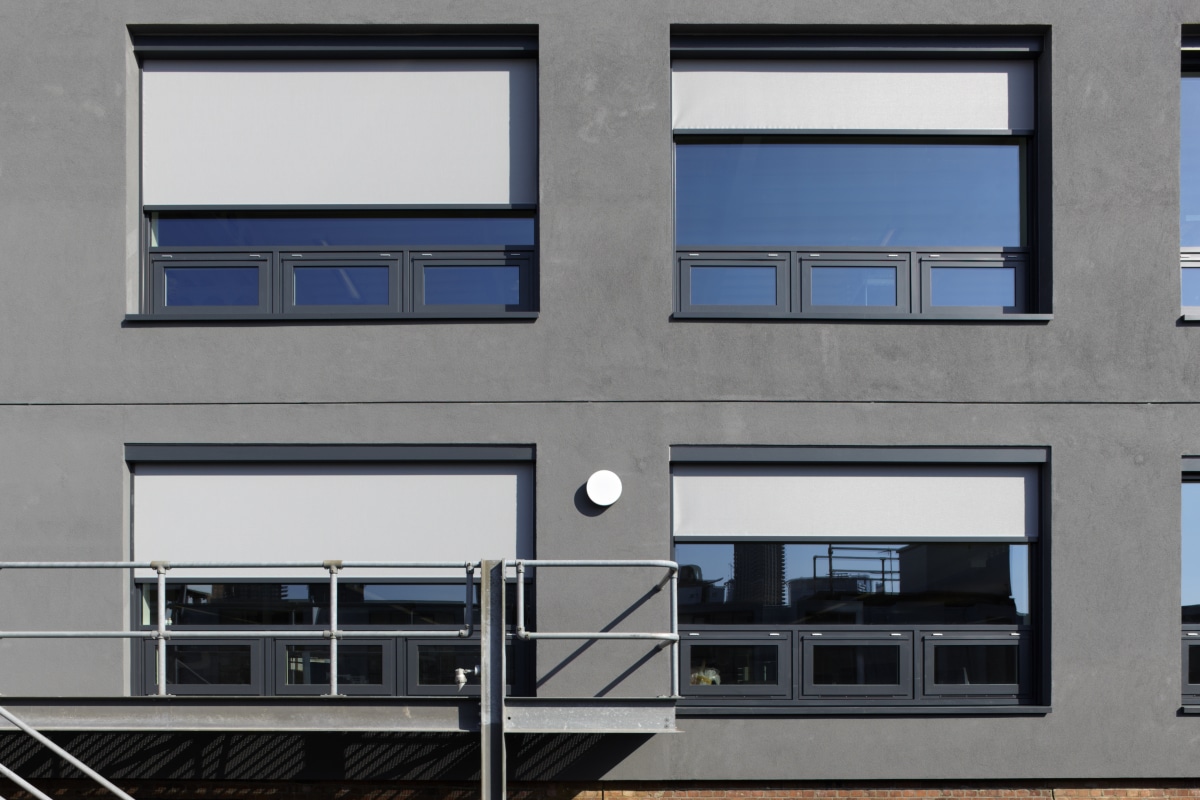
BBSA research, previously cited by the CCC and referenced within the Government’s Warm Homes Plan, found that external shading can reduce indoor operative temperatures (the temperature we feel) by up to 18°C. By preventing heat build-up at source, external shading can significantly reduce reliance on air conditioning, lowering energy demand, cutting carbon emissions and, in many applications, eliminating the need for mechanical cooling altogether when combined with ventilation and thermal mass.
This is becoming increasingly important as modern architecture continues to favour larger areas of glazing, sliding doors and open-plan living. While these designs maximise daylight and connect interiors with outdoor spaces, they also increase overheating risk dramatically if solar control is not properly considered. Flexibility is also key because solar conditions constantly change throughout the day and across seasons, which is why adjustable, dynamic shading solutions are essential.
This is not new technology. Solar shading has been used for centuries in architecture designed for warmer climates and has long formed part of prestigious buildings and major public architecture, including Buckingham Palace. Yet despite rising temperatures and increasingly frequent heatwaves, it remains significantly underutilised across the UK built environment.
Retrofitting existing building is now an urgent priority
The CCC is right to highlight that most of the homes standing in 2050 have already been built, which means adaptation is now immediate. Retrofitting existing buildings with effective passive cooling measures will be essential if we are serious about creating climate-resilient communities.
Lord Krebs, former Chair of the CCC Adaptation Sub-Committee, previously stated: “We are not designing buildings for preventing overheating. Shading – shutters or awnings – is not costly or difficult to install, it’s just that we’re not doing it.”
External shading must be treated as essential climate infrastructure
What is particularly encouraging is that the conversation is finally shifting. Overheating is no longer being treated as an occasional inconvenience during a hot spell. Instead, it is now recognised as a long-term infrastructure challenge requiring strategic action.
The CCC’s report is an important step forward because it recognises that resilience starts with smarter design, not more energy consumption. External shading may once have been viewed as an optional add-on, but that position is no longer tenable in a warming climate. Today, it must be seen as essential climate adaptation infrastructure and a fundamental part of how we design, retrofit and futureproof buildings across the UK.
Discover Caribbean’s external blinds
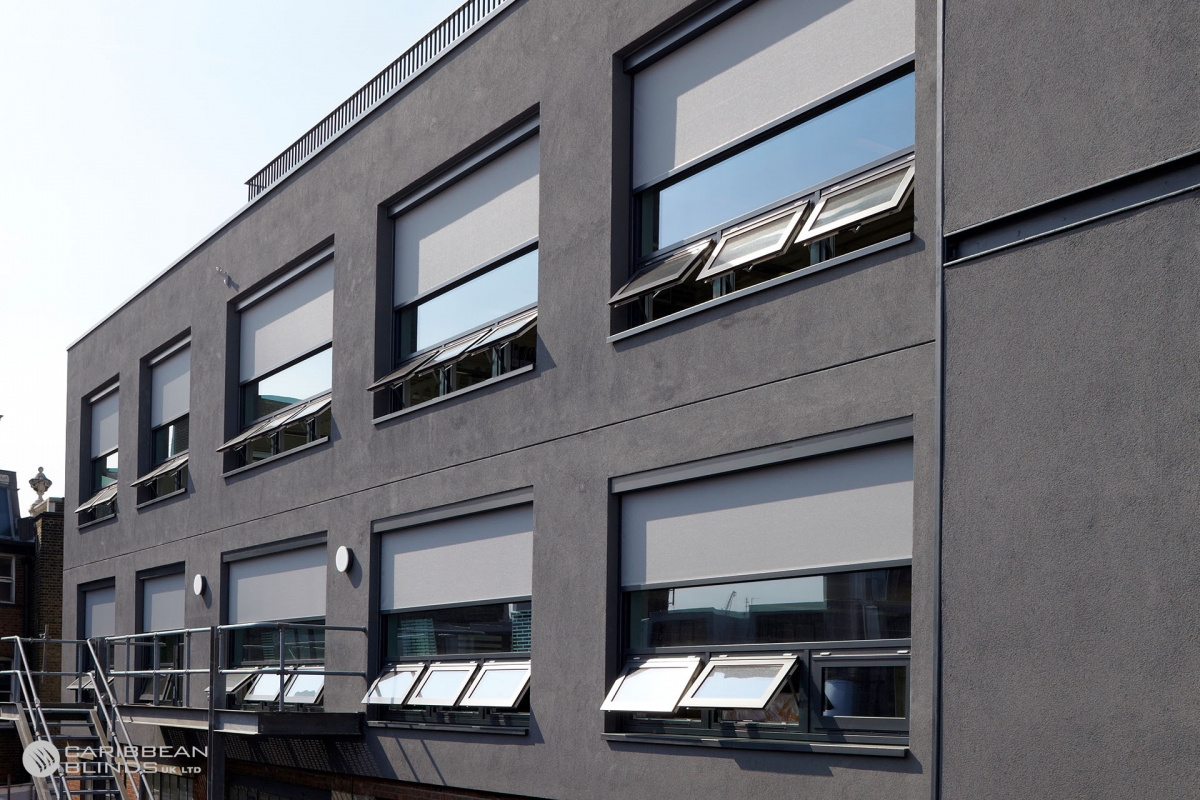
From retrofit projects to new builds, Caribbean’s range of external blinds offers a proven, practical solution for buildings of every type — reducing solar heat gain, cutting energy demand and delivering meaningful temperature reductions without the need for costly mechanical cooling. Designed and manufactured to the highest standards, they represent exactly the kind of intelligent, low-energy climate adaptation the CCC is calling for. To find out how Caribbean’s external blinds can help futureproof your building against rising temperatures, explore the full range today.